Upgrading the Archives
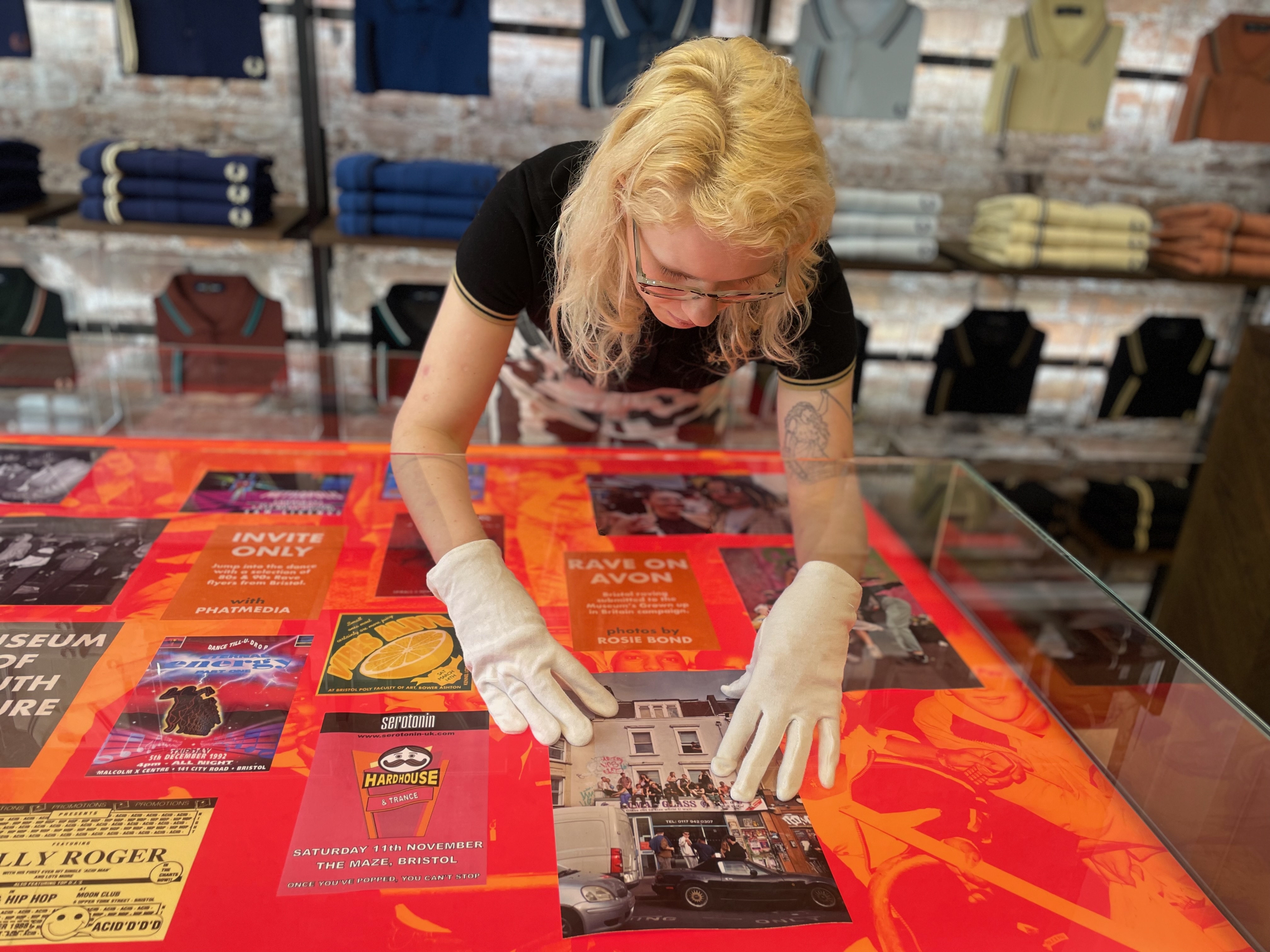
One of the key outcomes of REcollections has been the significant development of our archive infrastructure. As the Museum of Youth Culture’s physical collection has grown, so too has the need for improved storage, documentation and conservation systems to support its long-term care.
These upgrades mark a major shift in how the Museum manages its collections moving from an ad hoc model toward one built on sustainable, professional care. As we prepare for the opening of our permanent space, the archive is now better positioned to safeguard the material legacy of youth culture for future generations.
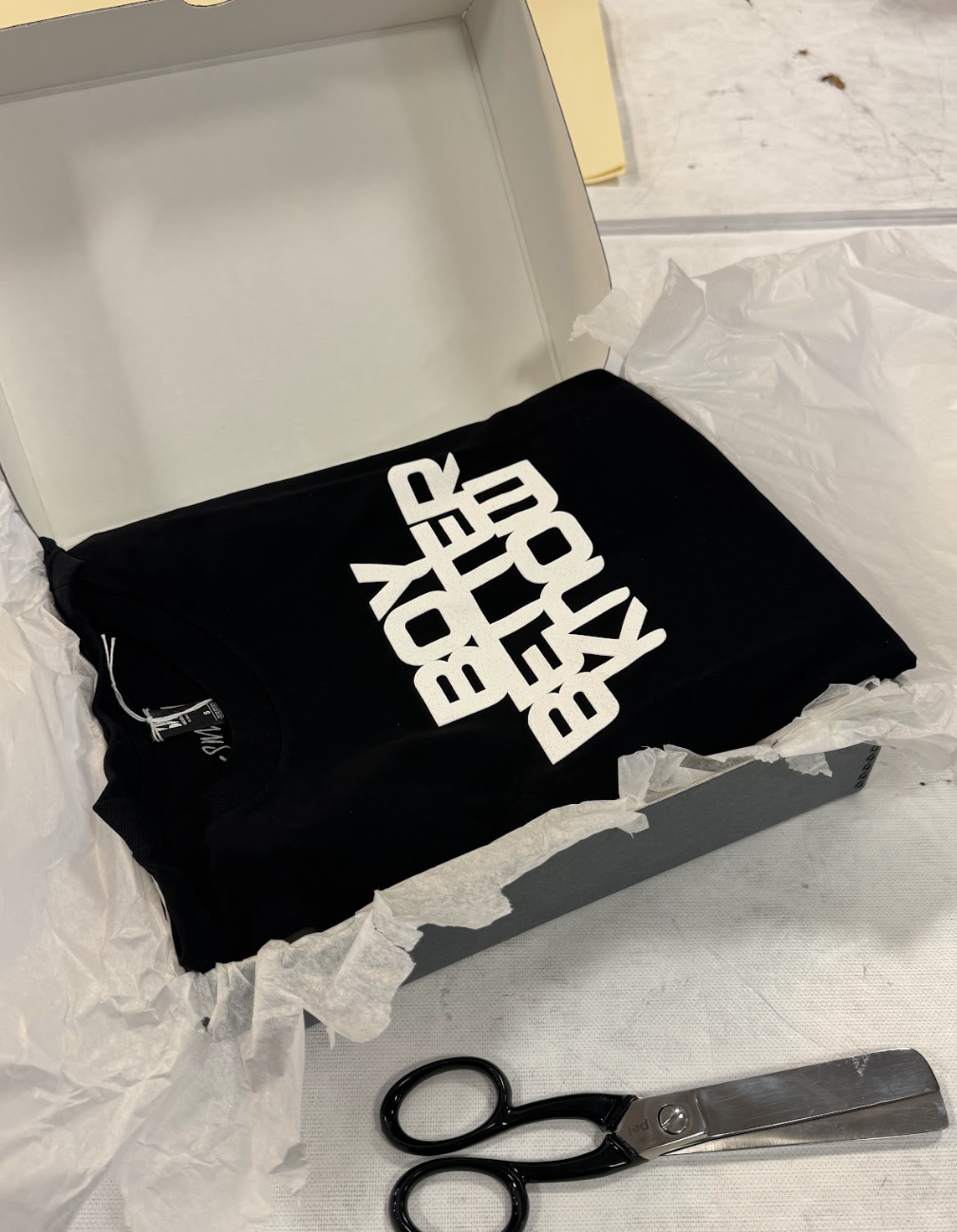
In partnership with the National Conservation Service, we undertook a full evaluation of our archive spaces, leading to targeted upgrades in shelving, packaging, and environmental monitoring. A new set of conservation-standard shelves was installed in our South London operational space, and all of our objects were repackaged using archival-grade materials sourced from trusted suppliers such as PEL (Preservation Equipment Ltd). These materials were selected to accommodate the wide range of formats in the collection from acetate negatives and textiles to metal badges and electronic devices.
DOWNLOAD ARCHIVE CATALOGUE (IN PROGRESS)


Detailed work was also carried out on improving documentation. Volunteers and staff worked through existing holdings to enhance cataloguing, establish provenance, and clarify the status of items within the collection. This included aligning with national standards such as BS EN 17820:2023 for the management of cultural heritage collections, and BS 4971:2017 for the care of archive and library materials. A new, more exhaustive database system is now in development, designed to futureproof our records and support public access over time.
While improvements have been made, the need for a purpose-built, environmentally controlled store remains urgent. The current storage environment continues to pose risks to vulnerable materials such as photographic film, paper and textiles. Plans are in motion to relocate the archive to our new site with lower temperatures and better environmental stability, in line with BS EN 16893:2018, the standard for museum building design.