Street Surveys
Street surveys played a central role in the object acquisition process, allowing us to gather large-scale public input in a direct and accessible way. These surveys were designed specifically to generate suggestions for youth culture objects — items that people felt should be part of a national collection.
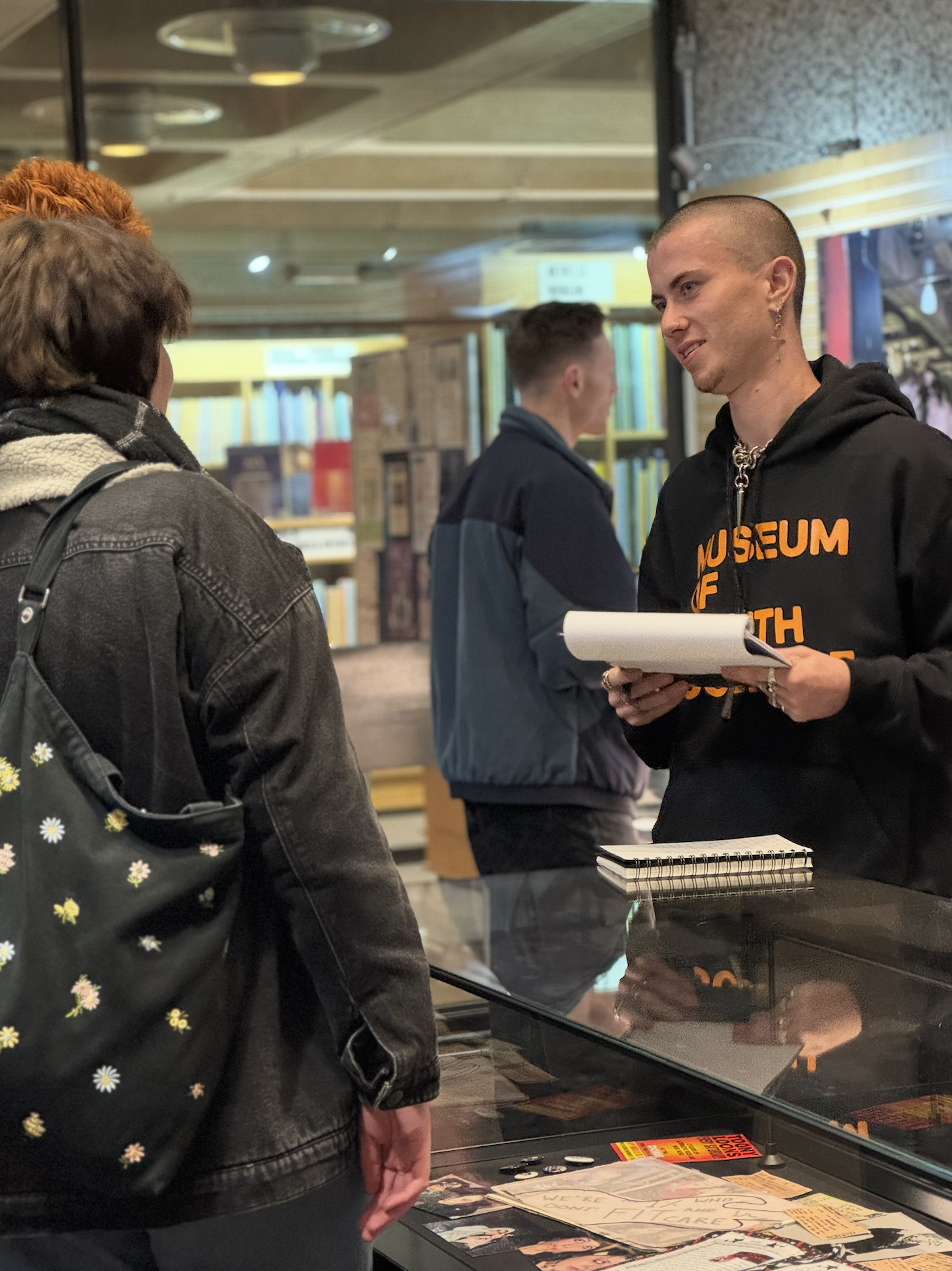
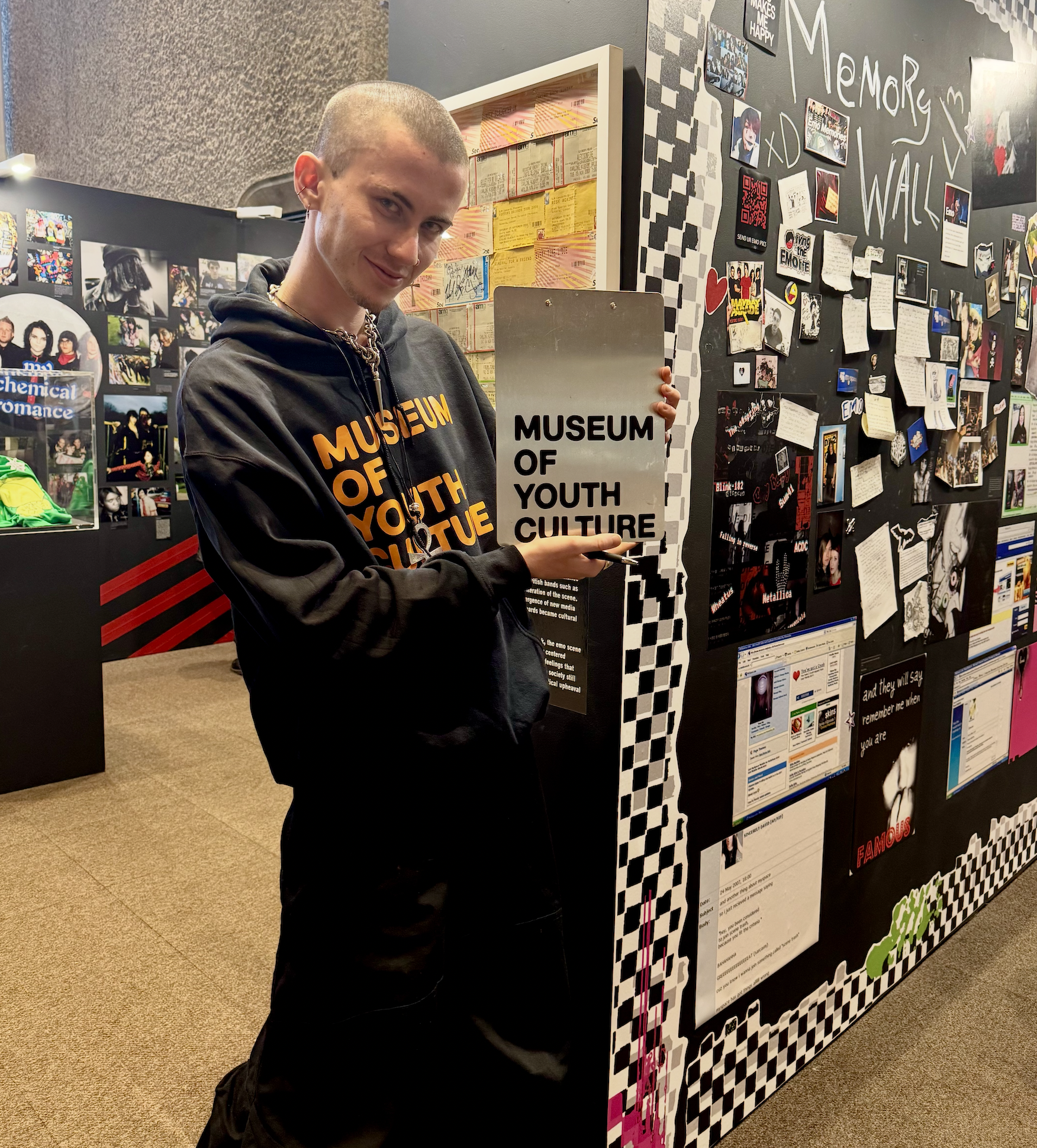
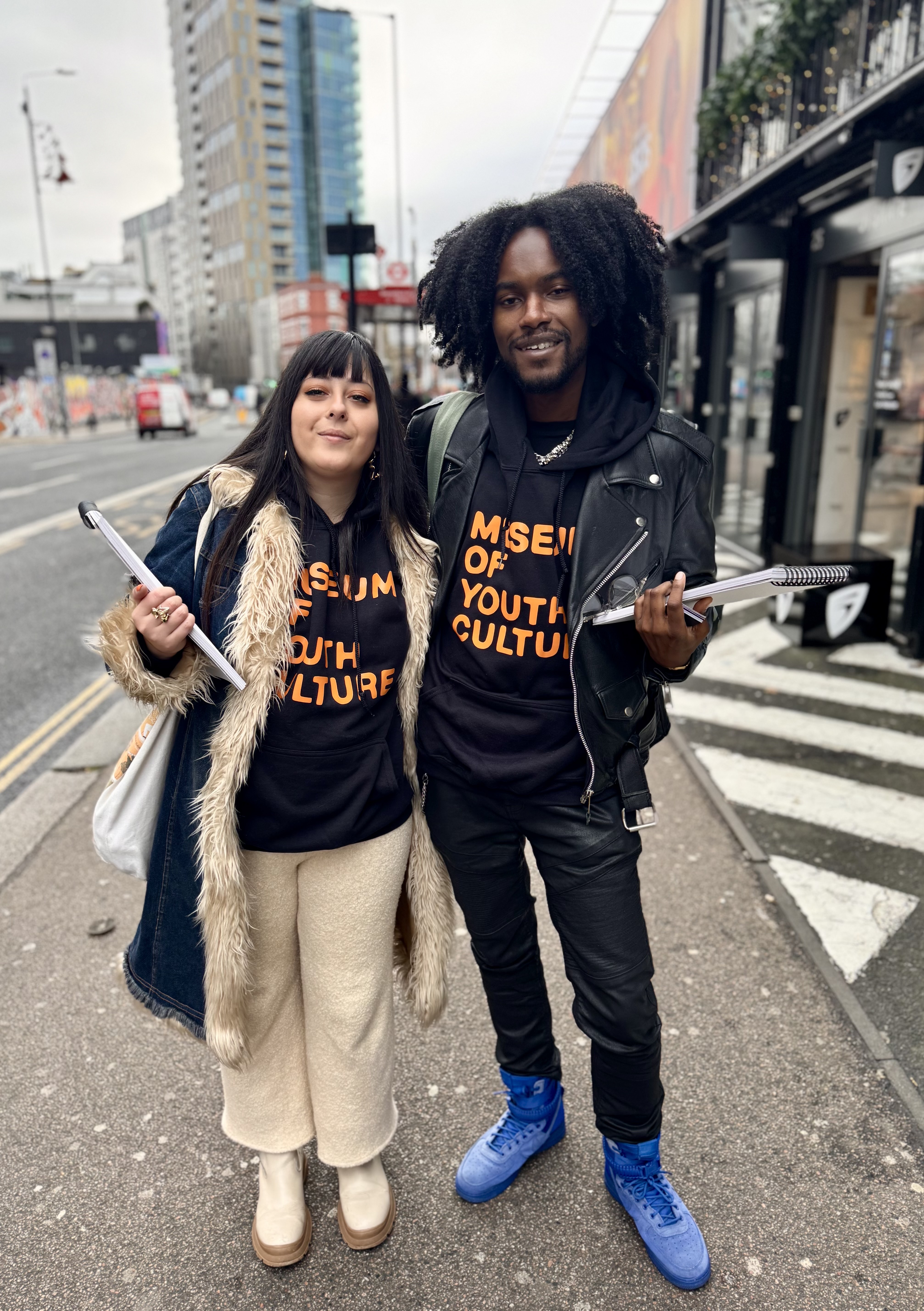
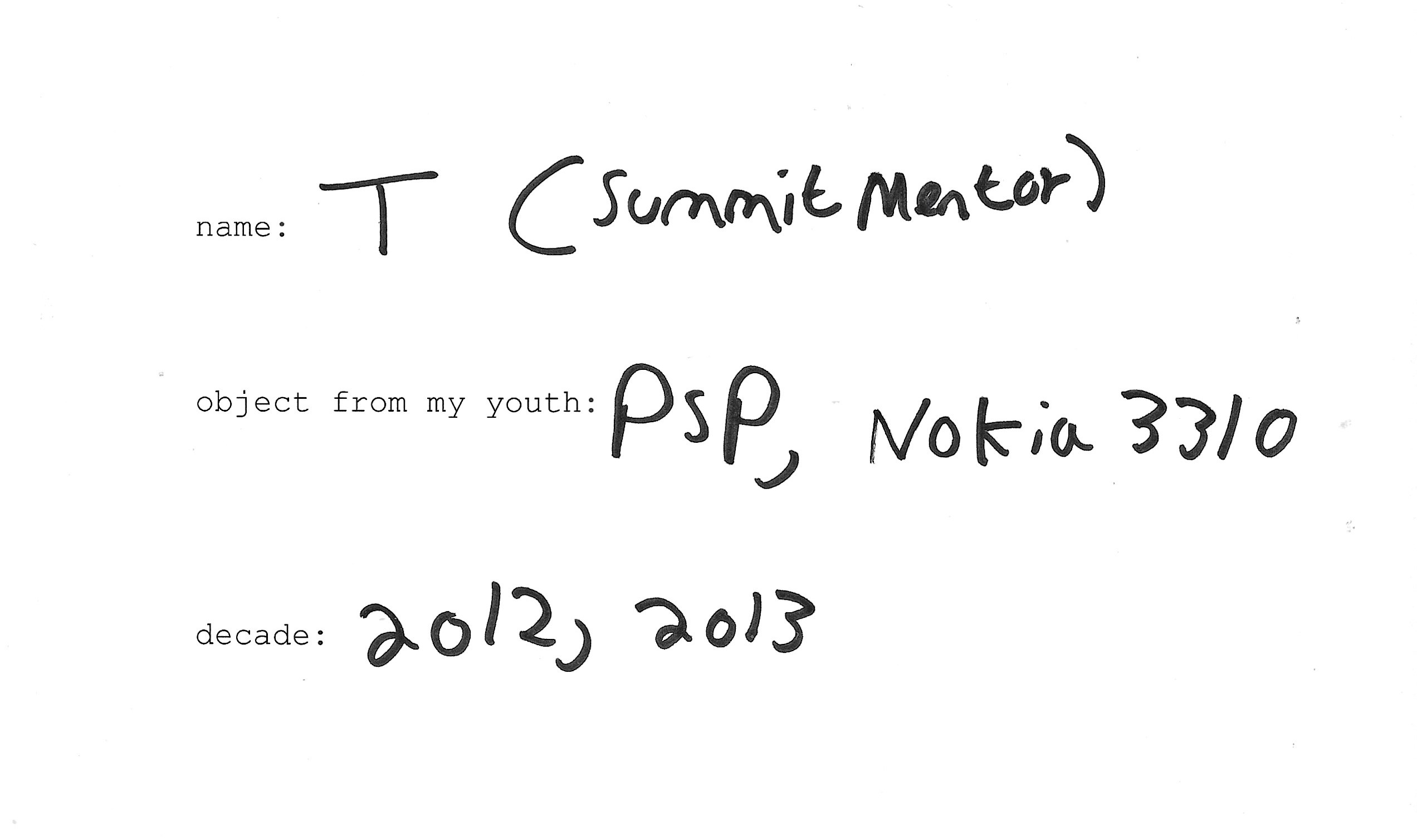
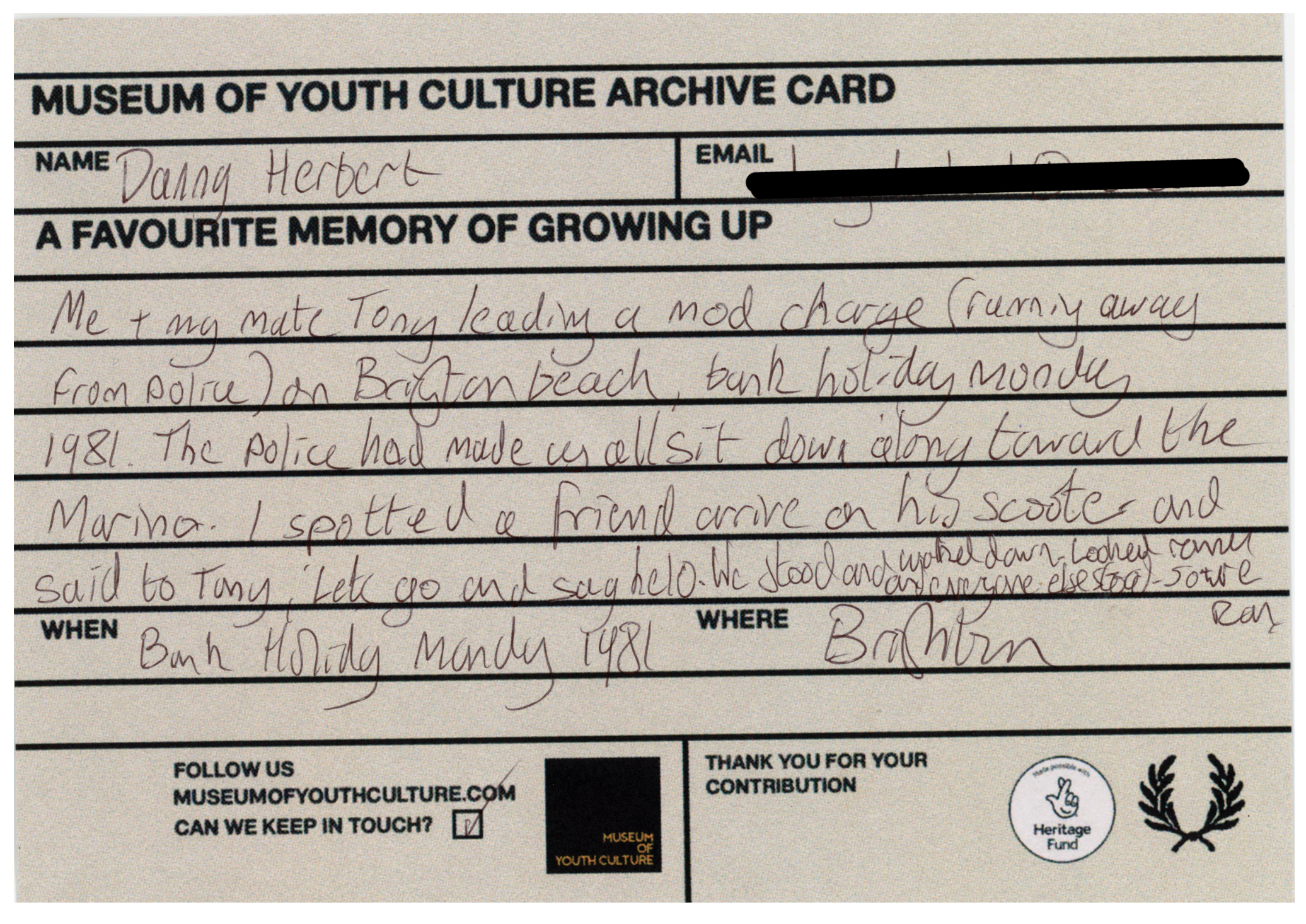 We worked with a team of internally recruited paid street surveyors, recruited through the Museum’s youth networks and trained in the project and heritage interviewing. Branded hoodies and clipboards were created to support visibility and establish credibility in public spaces, helping to build trust during street-level interactions. The design of the surveys was straightforward, encouraging people to reflect on objects that had defined their teenage years — from personal artefacts to everyday ephemera.  To support the process, we created custom archive suggestion cards — simple, tactile tools that allowed the public to write down object ideas quickly and informally. All of these cards are now digitised. |


|
Submission cards were collected at events, festivals, shopping centres and community hubs across three cities, ensuring broad demographic reach. In addition to written contributions, we recorded a series of short-form vox pops. These audio and video clips captured people in their own words, reflecting on the cultural backdrop of the objects they were nominating. The range of responses were funny, heartfelt, unexpected, forming a valuable oral history component that complements the physical archive.  According to Prof Lucy Robinson’s evaluation, this stage of the project significantly expanded public understanding of what counts as heritage. The visibility of the street surveyors, the open structure of the questions, and the physical presence of archive cards helped participants reflect on youth culture as something personal but also worthy of preservation. The surveys also produced a substantial proportion of our 1,786 total nominations, forming the base from which our acquisition shortlist was drawn. 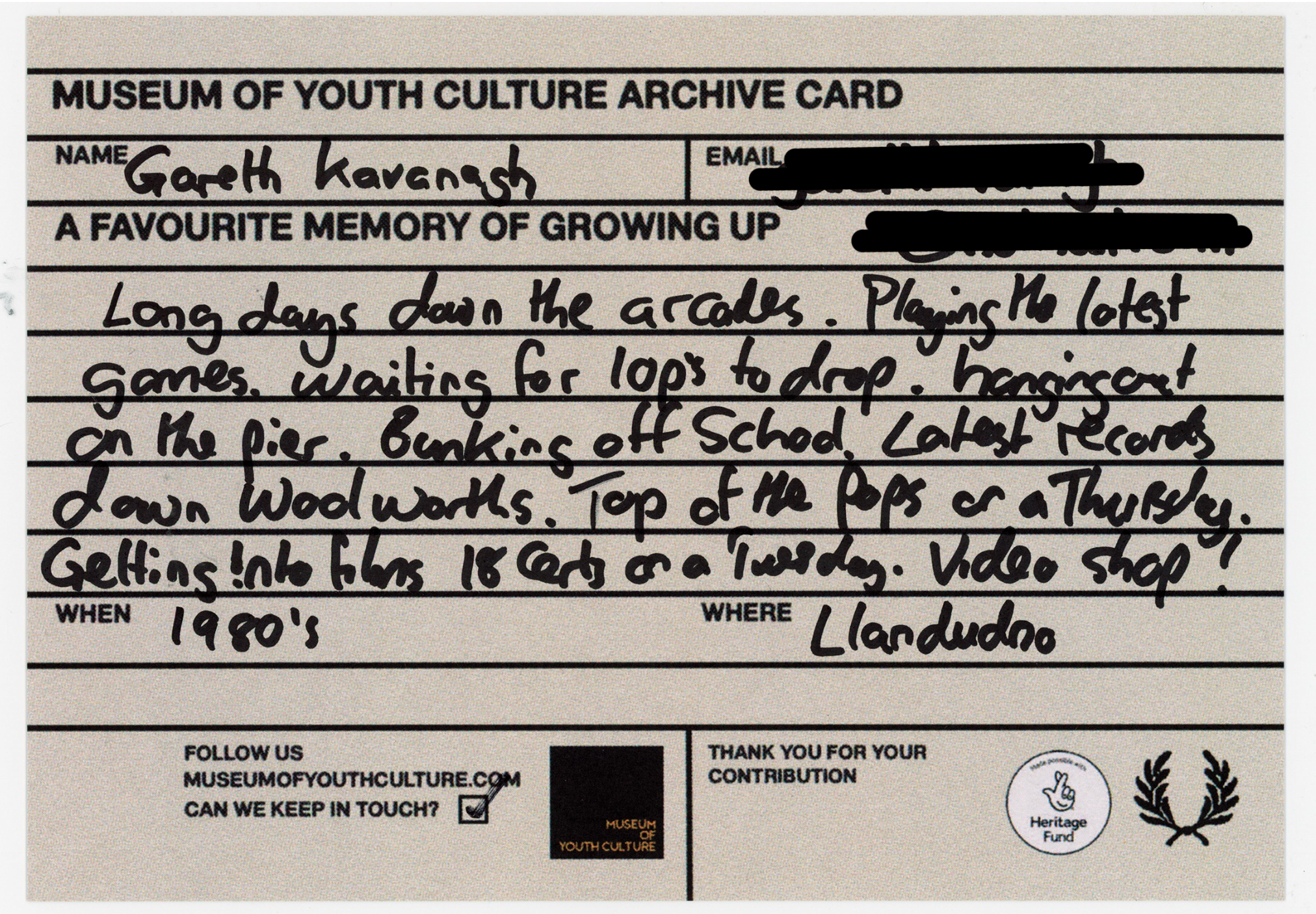 This work has contributed to a wider methodological shift for the Museum. Street-level engagement will now become now a vital part of our toolbox when planning future research. |